Retention in intensive outpatient programs is mostly an operations problem. Clinical quality matters, but the clients you lose are usually lost in the gaps between sessions, at handoffs, and in the days after a first missed appointment. Those gaps can be designed.
Every program director knows the pattern. A client attends for two weeks, misses a Thursday group, sends a vague text about work, and by the following week the chart reads "lost to contact." Nobody decided to let that client go. The program had no mechanism to notice the drift in time. The six steps below build that mechanism.
Why Retention Deserves to Be a Core Metric
Intensive outpatient care works when people stay in it. A review of the evidence published in Psychiatric Services found strong support for intensive outpatient programs as an effective level of care for substance use disorders, with outcomes comparable to inpatient and residential settings for many clients. That effectiveness assumes participation.
NIDA's principles of drug addiction treatment put it plainly: remaining in treatment for an adequate period of time is critical. For an operator, that makes retention more than a clinical outcome. It shapes census stability, revenue per admission, and how many graduates eventually become alumni who refer others to you.
Step 1: Measure Where Clients Actually Leave
Most programs know their overall completion rate. Far fewer know where in the program clients leave. Pull the last twelve months of intensive outpatient discharges and sort non-completions by week of exit and by the event that came right before it: a missed session, a schedule change, a step-down from residential, a payer issue.
That map tells you where to spend effort.
If exits cluster in the first two weeks, your problem is engagement at intake. If they cluster after a missed session, your problem is re-engagement speed. If they cluster at step-down, your problem is the handoff, and each needs a different fix.
Step 2: Protect the Therapeutic Relationship Early
SAMHSA's TIP 47 on intensive outpatient treatment notes that once clients are actively engaged, retention becomes the priority, and that therapeutic alliance is one of the few aspects of treatment consistently linked with increased retention.
Operationally, that means continuity: assign a primary counselor at intake and keep that assignment stable. When staffing changes are unavoidable, make the transfer a warm handoff with an introduction, not a name change in the EHR. A client who feels known by someone on your team has a reason to come back after a hard week.
Step 3: Fill the Space Between Sessions
Intensive outpatient clients spend most of their week outside your building. That is the design of the level of care, and it is also where disengagement happens. The structure of residential care does not travel home with a client unless you build a way for it to.
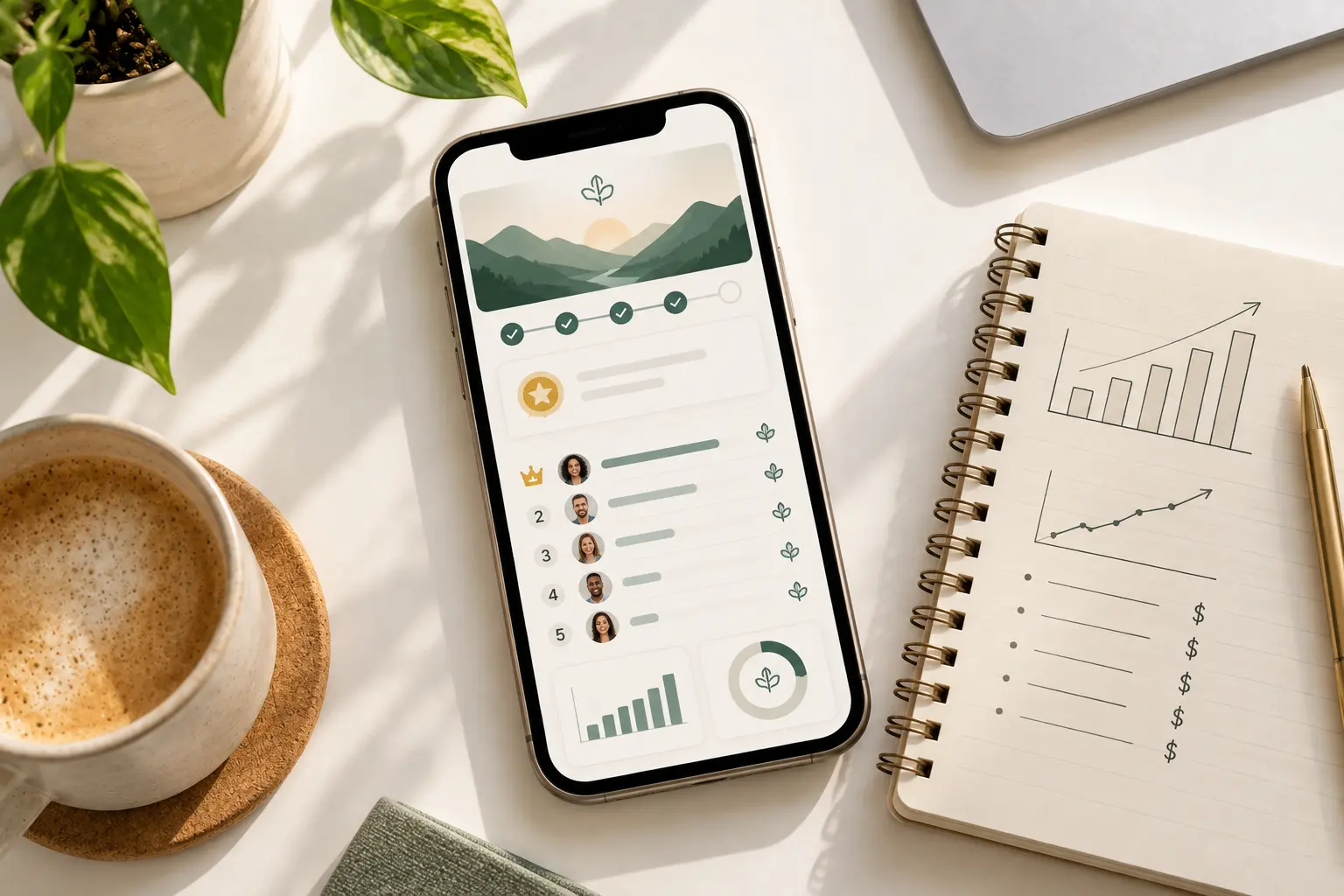
Strong intensive outpatient patient engagement comes from light, consistent touchpoints on non-session days: brief check-ins, reminders before each group, and a moderated peer space where current clients and alumni connect. Our guide to patient engagement software for behavioral health covers how to evaluate the tools that support this, and our breakdown of intensive outpatient patient engagement tools that actually move retention numbers shows which categories correlate with clients staying.
Recognition matters too. Milestones, attendance streaks and small rewards give clients something visible to protect. Our post on gamified recovery experiences explains how points and milestones support retention when they are tied to real program behaviors.
Step 4: Write a Missed-Session Protocol
The first missed session is one of the most important retention moments in intensive outpatient care, and most programs handle it informally. Write the protocol down: who reaches out, through what channel, within how many hours, and what happens if there is no response by the next scheduled session.
Speed matters more than polish. A same-day message from the client's primary counselor is worth more than a formal letter three days later. If your platform flags low or missed check-ins, route those alerts to that same counselor, so the signal reaches someone with an existing relationship.
Step 5: Start Aftercare Planning in Week One
Aftercare planning that begins in the final week reads to clients like an exit interview. Aftercare planning that begins at intake reads like a long-term plan, and it gives clients a reason to see the program through. SAMHSA's advisory based on TIP 47 describes intensive outpatient treatment as most effective when it is part of a continuum of care.
The continuing care research points the same way. A 2021 review by James McKay concluded that continuing care of longer duration, with more active efforts to keep patients engaged, may produce more consistently positive results.
Building that bridge early is how aftercare planning helps prevent rehab readmissions instead of just documenting a discharge. Our post on reducing readmissions without increasing staff hours covers the post-discharge side in more depth.
Step 6: Track Leading Indicators, Not Just Completions
Completion rate is a lagging indicator. By the time it moves, the clients behind it are gone. A behavioral health outcome tracking platform for intensive outpatient care should also show you leading indicators: check-in completion, attendance by week, survey scores over time, and participation in peer features. Our outcome tracking software guide covers what to measure and why lagging-only metrics leave no time to act.
Review those numbers weekly in a short team huddle. The question is simple: who is drifting, and who owns the outreach? A dashboard nobody reviews does not retain anyone.

Where a Branded Platform Fits
None of these steps requires new software, but all of them get easier with the right system. At Team Recovery, we build white-labeled mobile apps for behavioral health programs that bring check-ins, push notifications, outcome surveys, peer community, milestones and telehealth integration into one HIPAA-compliant app carrying your program's name. See how the build works on our custom mobile apps page.
The same app follows clients from intensive outpatient care into alumni status, so the relationship your team builds during treatment does not end at discharge. Our post on how an alumni engagement app helps treatment centers explains what that continuity looks like after graduation.
Improve Retention in Your Intensive Outpatient Program
If your data shows clients slipping away between sessions, book a demo to see how the platform maps to your program structure. Not ready to talk yet? Try the Growth Calculator to estimate what stronger engagement could mean for referrals and readmissions at your center.

Henna Geronimo
Reviewer
Henna is a content strategist with over 5 years of experience. She specializes in creating informed, compassionate content for addiction treatment centers, using her deep understanding of the industry to educate, engage, and support individuals seeking recovery.